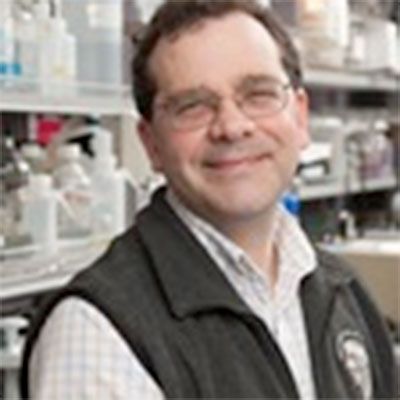
John V. Brigande’s introduction to neuroscience formally began in Thomas N. Seyfried’s lab at Boston College where his Master’s work focused on reactive astrocytosis in a mouse model of human temporal lobe epilepsy. Brigande then transitioned to developmental neurobiology for his doctoral work again with Dr. Seyfried studying glycosphinogolipid biosynthesis in the organogenesis-stage mouse embryo. His doctoral studies ignited a passion for mammalian development that was fostered by postdoctoral training in developmental genetics with Karen Artzt at the University of Texas at Austin and in auditory development with Donna M. Fekete at Purdue University. Brigande began his assistant professorship in the Oregon Hearing Research Center in July 2003 and was promoted to associate professor in 2009. Brigande joined the Hearing Health Foundation’s Hearing Restoration Project in 2011 and works on the definition of mouse model systems to test candidate genes for hair cell regeneration.
Research chose me more than I chose research. I have severe to profound hearing loss of unknown cause and intimately understand the challenges and frustration a hearing impaired person faces while trying to communicate effectively. About 40 percent of the time I fill the gaps in a conversation with what I think I hear. I use adaptive strategies to communicate, including visual cues and assistive listening technologies. But what if we could define biological therapies to restore auditory (and balance) function? Could we get a more natural, effective outcome for patients?